

Food has an extraordinary ability to anchor our memories, particularly during the holiday season. Beyond the presents, decorations, and seasonal festivities, the kitchen serves as the true heart of any holiday home. Cooking together as a family transforms a routine daily chore into a celebrated ritual, building deep connections across generations and establishing cherished traditions that last long after the dishes are put away.
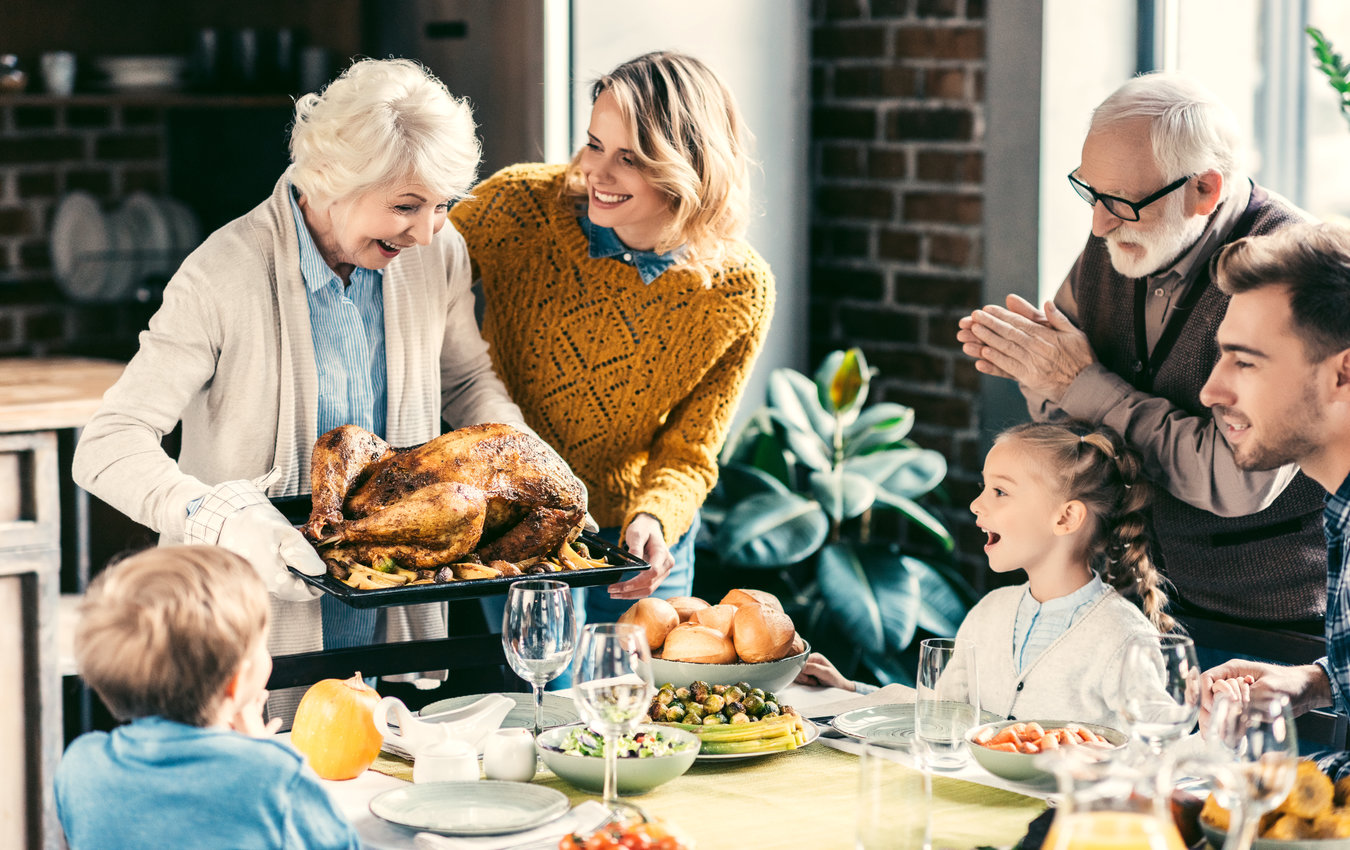
In a fast-paced world dominated by digital screens and busy schedules, stepping into the kitchen as a family unit offers a rare, deliberate moment to slow down. Here is a look at how holiday family cooking nurtures relationships, preserves cultural heritage, and turns simple ingredients into lasting memories.
The Kitchen as a Multi-Generational Classroom
Cooking alongside family members creates an intuitive, stress-free space for sharing knowledge. When grandparents, parents, and children share a workspace, the kitchen becomes a living classroom where life skills, family stories, and practical wisdom flow naturally.
Younger children gain hands-on learning through simple tactile tasks, such as measuring flour, stirring batter, or using cookie cutters. These activities build fine motor skills, basic math understanding, and confidence. For teenagers, taking charge of a complex recipe fosters a sense of responsibility and independence.
Equally important is the oral history shared over simmering pots. As family members chop vegetables or knead dough side by side, stories emerge spontaneously—conversations about past holidays, ancestral origins, and the loved ones who passed those recipes down. These moments anchor children in their roots, giving them a rich sense of belonging and identity.
Preserving Heritage and Creating New Traditions
Every family possesses a unique culinary blueprint, often preserved through handwritten recipe cards, stained notebook pages, or mental memory. The holiday season is when these heritage dishes take center stage, serving as a edible bridge between past and present.
Recreating a signature family dish connects the household to its cultural lineage. Whether it is rolling traditional dumplings, baking a classic regional spiced pie, or simmering a long-reused family gravy recipe, executing these dishes keeps ancestral culture vibrant and alive.
At the same time, holiday cooking leaves plenty of room for innovation. Modern dietary preferences, health considerations, and new culinary interests offer an opportunity to establish fresh traditions alongside classic ones. Introducing a new plant-based side dish or experimenting with international spices allows every family member—regardless of age or taste—to contribute their personal touch to the holiday feast.
Organizing Stress-Free Family Cooking Sessions
While the idea of a family cooking together sounds idyllic, hosting multiple people in a crowded kitchen can easily lead to chaos if not managed with care. A few intentional strategies can keep the environment relaxed, safe, and joyful.
- Assign age-appropriate stations: Divide tasks according to skill level to prevent bottlenecks around hot stoves or sharp utensils. Small kids can manage washing produce or setting the table, while older family members handle prep work and cooking.
- Embrace the process over perfection: Holiday cooking with family is about connection, not culinary perfection. A slightly misshapen pie crust or an over-browned batch of cookies carries far more warmth and character than a factory-perfect store-bought alternative.
- Prepare prep work in advance: Chop stubborn vegetables, pre-measure basic dry ingredients, or clean workspace surfaces the night before. Reducing the administrative load lets everyone focus on the fun, interactive aspects of cooking together.
- Turn cleanup into a group effort: Maintain the communal spirit through the final dishwashing phase. Playing holiday music or sharing lighthearted banter turns cleanup from a tedious chore into an enjoyable finish to the meal.
The Lasting Emotional Impact of Shared Meals
The sensory experiences associated with holiday family cooking leave deep, permanent emotional footprints. Decades later, adults often recall the distinct scents of cinnamon, roasted garlic, or toasted nuts far more vividly than specific gifts they received as children.
Sitting down to eat a meal prepared collectively instills a profound sense of shared accomplishment. When everyone at the table contributed to the plate in front of them, gratitude comes naturally. The food tastes richer not because of complex techniques, but because of the shared effort, patience, and love folded into every single step.
Conclusion
Holiday family cooking is far more than a practical way to prepare a feast; it is a powerful practice of mindfulness, togetherness, and cultural preservation. By opening up the kitchen to every generation, stepping back from perfectionism, and embracing the joyful mess of collaborative prep, families create a rich tapestry of shared experiences. Long after the holiday season wraps up, the laughter, conversations, and recipes cultivated around the kitchen counter remain the true nourishment that sustains a family year after year.